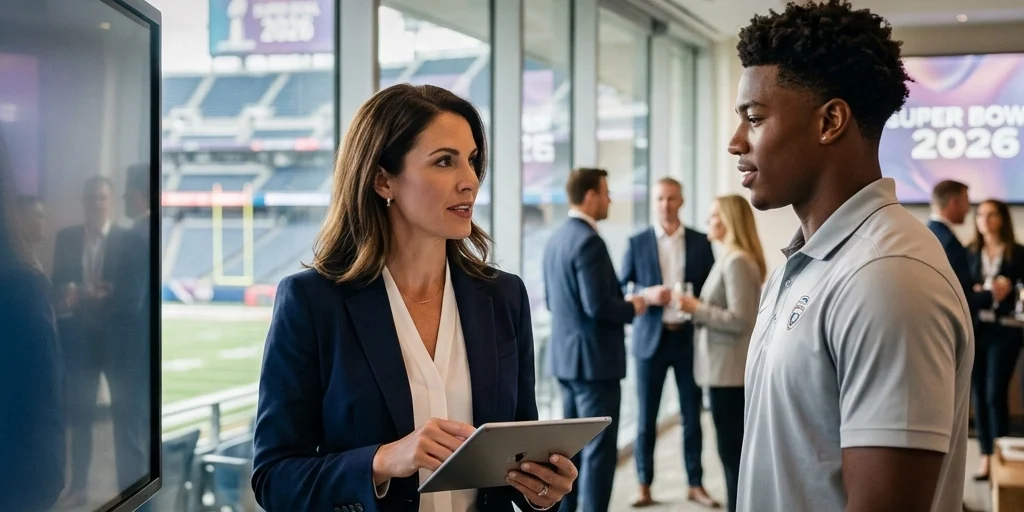
The landscape of sports marketing has undergone a seismic shift. As we navigate the 2026 season, the traditional "big game" commercial is no longer the sole peak of a brand’s Super Bowl strategy. For Fortune 100 brands, the focus has shifted toward a more integrated, authentic, and digitally-native approach: the NIL (Name, Image, and Likeness) revolution.
Integrating NIL athletes into your Super Bowl marketing funnel isn't just about celebrity endorsements; it is about building a multi-layered narrative that resonates across generations. As digital consumption patterns evolve, the most successful brands are those that treat athletes as co-creators rather than just billboards. At USA Entertainment Ventures LLC, we’ve seen that the most effective funnels leverage these athletes across three distinct phases: pre-game positioning, during-game activation, and post-game saturation.
The Foundation: Why NIL Matters for the Fortune 100
For decades, the Super Bowl was defined by the 30-second television spot. While these spots still command massive audiences and prestige, their "one-and-done" nature often fails to capture the sustained attention of a fragmented digital audience. Fortune 100 brands now face a consumer base that values authenticity over high-gloss production.
NIL athletes: ranging from top-tier college stars to emerging professional influencers: provide a bridge to these audiences. They offer a level of trust and engagement that corporate messaging simply cannot replicate. Data indicates that influencer-driven content can achieve up to 70% higher efficiency in cost-per-click metrics on platforms like Meta compared to traditional brand-led ads. By integrating these creators into your funnel, you aren't just buying an impression; you are buying into a community.
Phase 1: Pre-Game Positioning (Building the Retargeting Pool)
The most common mistake brands make is waiting until the week of the Super Bowl to begin their campaign. In the 2026 marketing environment, the "Pre-Game" phase should begin as early as mid-January. This period is critical for building audience pools that can be retargeted as the game approaches.
Lowering Costs Through Early Engagement
Research shows that mid-January campaigns often see significantly lower costs-per-click. By deploying NIL athletes as primary content creators during this window, brands can scale their reach without the massive upfront spend required during the broadcast itself. These athletes should share "day in the life" content, training updates, or "road to the game" narratives that feature your brand organically.
Building the Narrative
Instead of a hard sell, the goal here is awareness. When a Fortune 100 brand partners with a high-profile athlete early, they establish a narrative that fans can follow. This creates a retargeting pool of engaged users who have already interacted with the brand’s "ambassador," making the eventual conversion attempt much more effective. For more on creative ways to build this momentum, explore our guide on 10 creative Super Bowl fan experience ideas.
Phase 2: During-Game Activation (The Second-Screen Blitz)
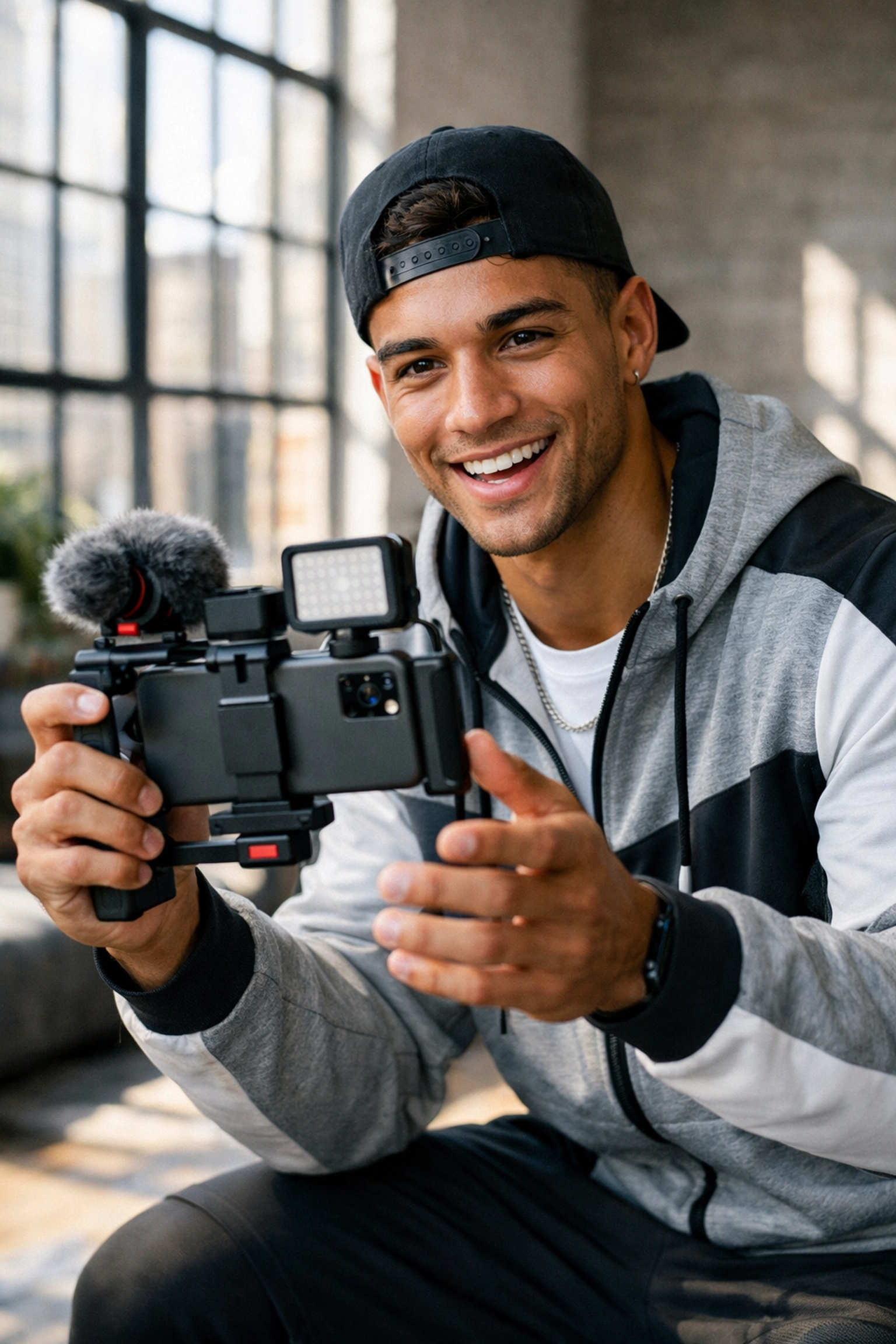
On Super Bowl Sunday, the battle for attention happens on the second screen. Over 70% of viewers engage with a mobile device while watching the broadcast. This is where your NIL strategy moves from building awareness to real-time engagement.
Real-Time Athlete Response
Traditional commercials are static. NIL athletes, however, can be dynamic. Athletes under your brand’s banner should be active across TikTok, Instagram, and X (formerly Twitter) throughout the game. When a major play happens or a halftime moment goes viral, your NIL partners can react within seconds.
This high-velocity content stream mirrors fan behavior and produces significantly higher engagement rates than a pre-recorded celebrity spot. Fans trust a player’s perspective on the game’s turning points. If that perspective is presented through your brand’s lens, you become a participant in the conversation rather than an interruption to it.
Leveraging the "Blitz" Strategy
Using a "Digital Blitz" approach allows even niche brands or specific divisions of Fortune 100 companies to own a "moment" without the $7 million price tag of a TV spot. By saturating social feeds with athlete-led reactions, you maintain a constant presence in the pockets of millions of viewers. Expert consulting from firms like 360 Sports Media can help manage the logistics of this real-time execution.
Expert Insight: The NIL Revolution Video
To understand the full scope of how NIL is bridging the gap between traditional media and modern consumer habits, watch this deep dive into the revolution:
https://www.youtube.com/watch?v=l6J-0zileKE
As highlighted in the video, the integration of NIL into large-scale sports events represents a fundamental shift in power from the broadcaster to the creator. For a brand, this means your "broadcaster" is now a fleet of trusted athletes with direct lines of communication to your target demographics.
Phase 3: Post-Game Saturation (Sustained Momentum)
The final phase of the funnel occurs in the week following the Super Bowl. Many brands make the mistake of "going dark" once the trophy is hoisted. However, the post-game window (typically February 9th through the 15th) is where the highest conversion often happens.
Capturing the Afterglow
After the game, fans are searching for recaps, highlight reels, and commentary. NIL athletes can provide this "after-action" content, keeping your brand at the forefront of the conversation. Whether it’s an athlete’s breakdown of the winning play or a "post-game recovery" video featuring your product, this content extends the lifespan of your Super Bowl investment.
Conversion and Retargeting
This is the moment to aggressively retarget anyone who engaged with your athlete creators during the pre-game and game-day phases. By moving them from the "engagement" stage to the "action" stage of the funnel, you convert high-level attention into tangible customer relationships. This structured approach ensures that your marketing spend isn't just a vanity project, but a data-driven path to ROI.

Strategic Advantages for Brand Leaders
Why should a CEO or a CMO prioritize NIL in their 2026 strategy? The advantages are grounded in data and logical consumer trends:
- Authenticity Over Scale: Large brands often struggle with being perceived as "faceless." NIL athletes humanize the brand. A recommendation from a trusted athlete feels like a peer-to-peer suggestion rather than a corporate mandate.
- Multi-Platform Efficiency: A single TV spot is confined to the broadcast. A group of NIL athletes can cover TikTok, YouTube, Instagram, and LinkedIn, ensuring that your message reaches different demographics in the formats they prefer.
- Data-Driven Optimization: Digital NIL campaigns provide real-time data that TV ads cannot. You can see exactly which athlete is driving the most clicks and adjust your spend mid-game to maximize efficiency.
Our work at USA Entertainment Ventures focuses on providing the strategic consulting necessary to navigate these complexities. From identifying the right talent to managing the digital output through partners like Sports Media, we ensure that the integration is seamless.
Final Thoughts: The Path Forward
The Super Bowl remains the pinnacle of American culture and marketing. However, the "funnel" has changed. It is no longer a linear path from a TV ad to a store; it is a complex web of social interactions, real-time reactions, and long-term brand storytelling.
By integrating NIL athletes into your Super Bowl 2026 marketing funnel, you are not just keeping up with the times: you are positioning your brand to lead. Treat your athletes as partners and co-creators of a brand universe that fans actually want to inhabit. The result is a more resilient, authentic, and effective marketing engine that continues to deliver results long after the final whistle blows.
As we look toward future opportunities, the brands that embrace this "NIL Revolution" will be the ones that define the next decade of sports marketing excellence.