
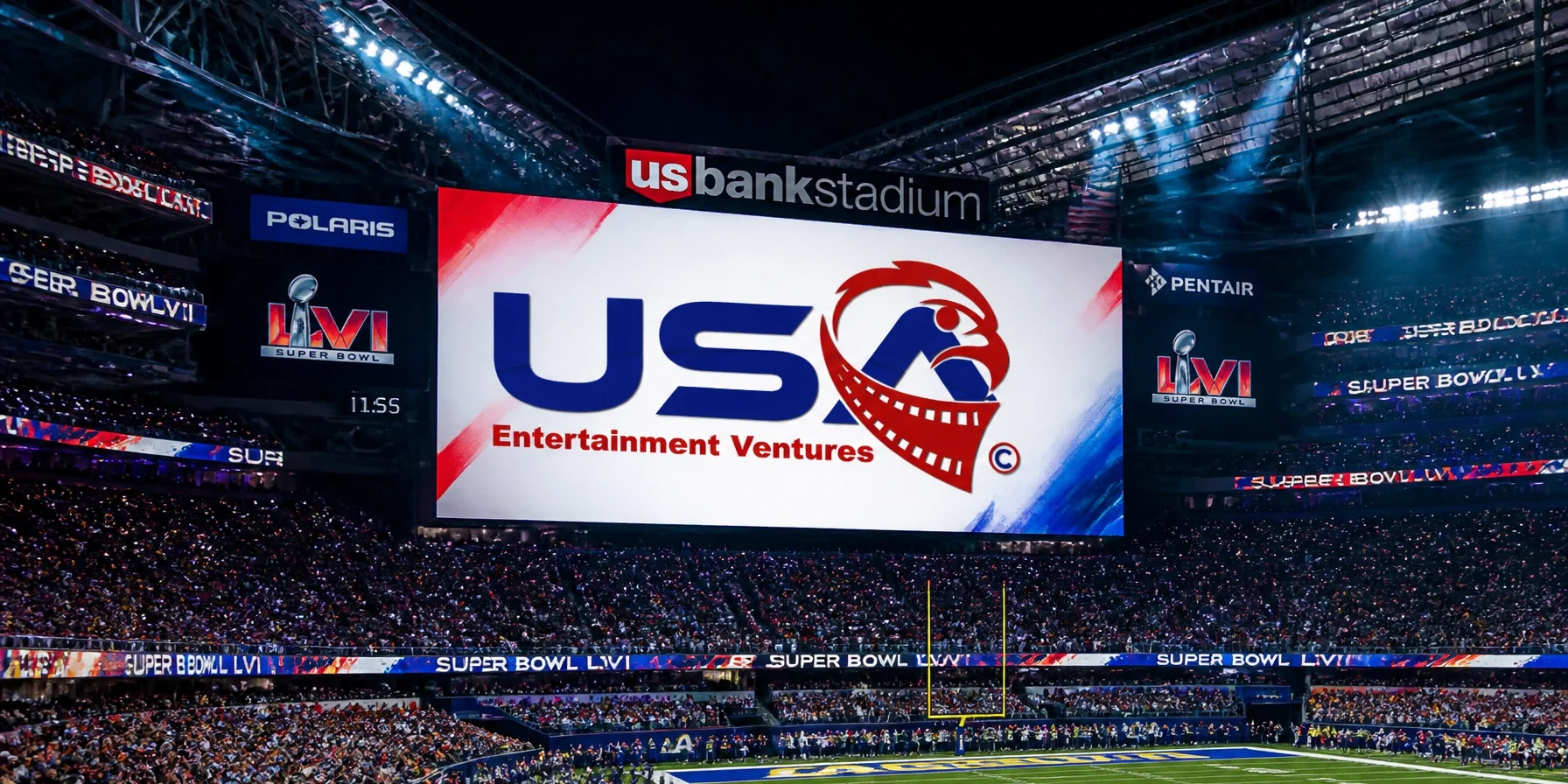
In the landscape of global marketing, few events command the level of cultural gravity and simultaneous attention as the Super Bowl. As we reflect on the milestones of Super Bowl LX in 2026, it has become evident that the "Big Game" is no longer merely a television broadcast; it is the epicenter of a complex, multi-platform ecosystem. For brands aiming to capture a share of the approximately 130 million viewers, the stakes have never been higher, with 30-second ad spots reaching a record-breaking $8 million.
Succeeding in this environment requires more than a clever creative concept; it demands a comprehensive, data-driven strategy that bridges the gap between digital innovation and physical dominance. At USA Entertainment Ventures LLC, we specialize in the high-level management and business development necessary to navigate these high-stakes waters. This guide explores the foundational pillars of the Super Bowl 2026 playbook, offering actionable insights into sports media advertising and the evolving role of technology and talent.
The Evolution of the Campaign Arc: Beyond the 30-Second Spot
The most significant shift in 2026 strategy is the realization that a standalone television commercial is no longer a complete campaign. Industry data from Super Bowl LX indicates that the most successful brands treated their in-game ad as the climax of a narrative rather than its introduction.
Phase 1: The Narrative Setup
Months before the kickoff at Levi's Stadium, leading brands began seeding their stories through social teasers, PR hooks, and creator collaborations. By releasing "trailers" for their commercials, brands were able to generate earned media and search interest long before the first whistle. This "always-on" approach ensures that the $8 million investment is supported by a foundation of pre-built anticipation.
Phase 2: The In-Game Payoff
During the broadcast, the focus shifts to clarity and emotional resonance. With a lighter ad load observed in 2026, the spots that succeeded were those that cut through the noise with unmistakable branding and a simple, compelling call to action (CTA). For a deeper dive into these strategies, you can explore The Ultimate Guide to Branding Strategy: Lessons from the Super Bowl Playbook.
Phase 3: The Digital Echo
Post-game amplification is where ROI is truly solidified. This involves responding to real-time memes, releasing extended cuts, and utilizing retargeting strategies for users who searched for the brand during the game. The goal is to convert a momentary impression into a long-term customer relationship.

AI as a Strategic Partner, Not a Gimmick
2026 marked the year where Artificial Intelligence (AI) moved from the fringes of "tech flex" into the core of creative storytelling. Super Bowl LX featured more ads from AI platforms than from the beer and automotive categories combined. However, the technical prowess of the AI was secondary to its human utility.
The top-performing ads framed AI as a "co-pilot": a tool that enables human creativity, solves time-management issues, or increases accessibility. As noted by industry analysts, "The most effective AI ads used the tech to solve human problems… weaker executions focused on showing off technology without a clear story."
For businesses looking to integrate these emerging technologies, the takeaway is clear: anchor your innovation in a simple human benefit. Whether you are automating your media buying or using AI to personalize fan experiences, the technology must serve the narrative, not overshadow it.
Dominating the Physical Arena: The Power of OOH and Sporttron
While digital reach is vital, the Super Bowl is a physical event that takes over an entire city. Sports Media, a division of USA Entertainment Ventures, leverages 40 years of leadership to ensure brands own the physical environment. This is achieved through a combination of traditional out-of-home (OOH) advertising and proprietary digital networks.
The Sporttron Digital Network
With access to ribbon boards and jumbotrons in over 780 venues nationwide, our Sporttron network allows brands to maintain a constant presence in the line of sight of every fan. This "any sport, any venue, anytime" capability is essential for creating the "unified attention" that defines successful sports marketing.
High-Touch Physical Integration
Beyond the screens, the fan experience is tactile. From floor graphics to concession platforms and even "cup holders for charity," brands can integrate themselves into the very fabric of the game day experience. This level of environmental dominance ensures that the brand message is inescapable and deeply resonant. Learn more about these tactics in The Marketers Guide to OOH Mastery at Super Bowl 2026.

The Human Element: Leveraging NIL and Authentic Voices
As consumer trust in traditional celebrity endorsements shifts, the rise of Name, Image, and Likeness (NIL) has provided a new avenue for authenticity. In 2026, brands increasingly bypassed Hollywood A-listers in favor of student-athletes who hold significant cultural sway with the next generation.
Leveraging an NIL platform with access to over 20,000 authentic voices allows brands to bridge the gap between corporate messaging and genuine fan connection. These athletes are not just influencers; they are subject-matter experts within their communities. By partnering with them, brands gain access to a level of credibility that a scripted commercial cannot replicate. For strategies on winning with these partnerships, refer to The Ultimate Guide to NIL Platforms: Everything You Need to Win at the Super Bowl.

Measuring Success through Predictive Modeling
Investment at the Super Bowl level requires rigorous accountability. It is no longer enough to rely on "buzz" or "viral potential." Modern sports media strategy relies on predictive modeling and fan sentiment analysis to prove ROI from day one.
By analyzing historical data and real-time engagement metrics, USA Entertainment Ventures helps businesses project the outcomes of their media spends. This data-driven approach allows for the adjustment of strategies in real-time, ensuring that every dollar spent contributes to measurable business objectives, such as:
- Branded Search Lift: The increase in people specifically searching for your brand.
- Incremental Site Traffic: Capturing the spike in interest during and after the ad.
- Conversion and Performance: Moving beyond awareness to drive app installs, signups, and sales.
Conclusion: Setting the Stage for Future Victory
The strategies that defined Super Bowl 2026: multi-platform storytelling, human-centric AI, environmental dominance, and authentic NIL partnerships: are now the gold standard for sports media advertising. As we look toward future opportunities, the key is to view the Super Bowl not as a single moment, but as a node in a broader, more significant system of engagement.
To truly succeed, brands must align their vision with experts who understand the entire sports ecosystem, from youth sports publishing to medical sports travel and high-level business consulting.
Watch the full Super Bowl Playbook breakdown below to see these strategies in action:
https://www.youtube.com/watch?v=l6J-0zileKE
For businesses ready to dominate the arena and move their brand loyalty forward, we invite you to explore our 5 Super Bowl 2026 Fan Experience Tips or contact us for a professional consultation.






