In the rapidly evolving landscape of modern business and education, the methods we use to identify, nurture, and recruit talent are undergoing a fundamental shift. For decades, talent acquisition relied heavily on intuition, static resumes, and localized networking. However, as we move further into 2026, the complexity of the global workforce demands a more sophisticated approach. Organizations are no longer just looking for "workers"; they are seeking "Future Ready" individuals who possess a blend of technical proficiency, media literacy, and personal brand management skills.
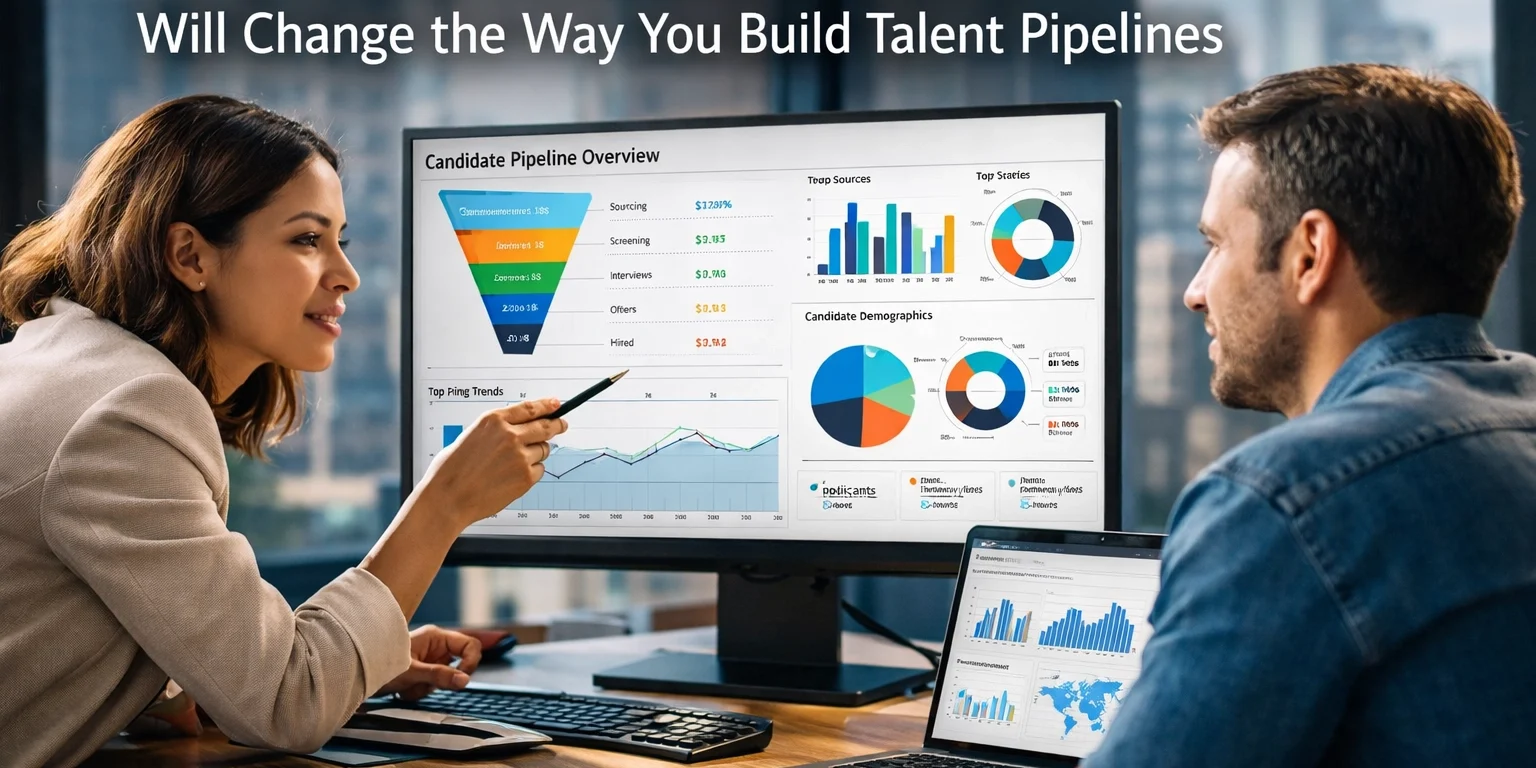
At the heart of this transformation lies the data analytics dashboard. By centralizing disparate information into actionable visual insights, these tools are redefining how schools prepare students and how businesses build their talent pipelines. For an executive audience, understanding this shift is not just about adopting new software, it is about embracing a data-driven culture that ensures long-term organizational resilience.
The Shift from Instinct to Evidence-Based Strategy
Traditionally, building a talent pipeline was a reactive process. When a vacancy appeared, the search began. Today, that model is being replaced by proactive, evidence-based hiring strategies. Data analytics dashboards allow decision-makers to replace guesswork with empirical evidence.
According to recent industry research, organizations utilizing data-driven hiring practices have seen a 27% increase in performance ratings for new hires. This improvement stems from the ability to use algorithmic matching to align a candidate’s specific skill set with the actual requirements of a role, rather than relying on the subjective interpretation of a CV. Furthermore, candidates identified through these advanced dashboards report significantly higher job satisfaction levels, largely because the roles they are placed in are better suited to their inherent strengths and career trajectories.

NIL Education: The New Frontier of Talent Development
One of the most significant developments in the talent pipeline for the sports and entertainment sectors is the rise of Name, Image, and Likeness (NIL) education. While NIL is often discussed in the context of collegiate athletics, its implications for general talent development are profound. NIL education teaches young individuals the fundamentals of personal branding, contract law, and financial literacy.
By integrating NIL metrics into data analytics dashboards, "Future Ready" schools can track how students are developing their professional identities in real-time. This isn't just about athletic endorsements; it is about media literacy and the ability to navigate a digital-first economy. When a school or organization can visualize the growth of a student’s "brand equity" and their understanding of professional ethics, they are better equipped to guide that student toward a successful career path.
USA Entertainment Ventures LLC views this as a cornerstone of modern business consulting. Schools that act as anchors for these programs provide a steady stream of candidates who are not just educated, but are also savvy practitioners of their own professional narratives. You can learn more about how these programs are integrated at https://usaentertainmentventures.com/services.
Media Literacy as a Core Competency
In an era of information overload, media literacy has become a non-negotiable skill. For a talent pipeline to be truly robust, candidates must be able to discern credible information from misinformation and understand the long-term impact of their digital footprint.
Data analytics dashboards are now being used to measure media literacy outcomes within educational programs. By tracking engagement with complex content, the ability to analyze media bias, and the mastery of digital communication tools, these dashboards provide a "readiness score" for students.
"The ability to navigate the digital landscape is no longer an optional skill; it is a prerequisite for leadership," notes a prominent analyst in the field of workforce development. By quantifying these outcomes, organizations can identify individuals who are not only technically capable but also ethically grounded and digitally responsible. This reduces the risk of reputational damage and ensures that the next generation of leaders can handle the pressures of a high-visibility professional environment.
Strategic Workforce Forecasting
One of the most powerful features of a data analytics dashboard is its ability to look forward. Rather than reacting to immediate needs, executives can use these tools for strategic workforce forecasting. By analyzing current trends and identifying upcoming skill gaps, organizations can adjust their talent pipelines years in advance.
Imagine a dashboard that identifies a projected shortage in media-literate project managers within your specific industry. With this insight, a company can partner with "Future Ready" schools to tailor their curriculum or internship programs to meet that specific need. This level of synchronization between education and industry ensures that the talent pipeline is never "empty," but rather a continuous flow of prepared individuals.
This predictive capability allows for a 50% reduction in attrition rates. When people are hired because the data shows they are a perfect fit for a future-oriented role, they are more likely to stay with the organization and grow within it.
Optimizing ROI and Reducing Costs
Recruitment is an expensive endeavor. Between advertising, screening, interviewing, and onboarding, the costs of a "bad hire" can be astronomical. Data analytics dashboards optimize the Return on Investment (ROI) by highlighting which recruitment channels are most effective and identifying bottlenecks in the hiring process.
For instance, a dashboard might reveal that candidates coming from a specific NIL education program have a 40% higher retention rate than those from traditional career fairs. Armed with this data, an executive can reallocate resources to the more productive channel, effectively lowering the cost-per-hire while increasing the quality of the workforce.
By automating the initial screening processes through data-driven criteria, human resource departments can focus their energy on high-value activities, such as cultural integration and leadership development. This shift from administrative tasks to strategic engagement is a hallmark of a modern, efficient organization.
The Role of USA Entertainment Ventures LLC
As a leader in business consulting, USA Entertainment Ventures LLC is dedicated to helping organizations and educational institutions bridge the gap between current capabilities and future requirements. We believe that becoming a "Future Ready" entity requires a commitment to transparency, data, and innovative education.
Our approach focuses on empowering schools to become anchors for talent development. By implementing data analytics dashboards and NIL-focused curricula, these institutions provide a measurable advantage to their students and their corporate partners. This ecosystem creates a win-win scenario where students are better prepared for the real world, and businesses have access to a vetted, high-performing talent pool.
To explore how we showcase these initiatives, visit https://usaentertainmentventures.com/showcase.
Conclusion: A Data-Driven Legacy
The integration of data analytics dashboards into talent pipeline management is more than a technological upgrade; it is a strategic imperative. By focusing on media literacy, NIL education, and evidence-based hiring, we are creating a more resilient and capable workforce.
The future belongs to those who can turn data into insight and insight into action. As we look toward the horizon, the organizations and schools that prioritize these tools will be the ones that set the standard for excellence. It is time to move beyond the traditional and embrace a "Future Ready" mindset that values measurable outcomes and sustainable growth.
For those ready to take the next step in transforming their talent strategy, the path forward is clear. It begins with data, it is fueled by education, and it is sustained by a commitment to excellence.

Actionable Takeaways for Executives:
- Audit Your Current Pipeline: Identify where you are relying on intuition versus data.
- Invest in Media Literacy: Ensure your training and recruitment programs prioritize digital responsibility.
- Partner with "Future Ready" Schools: Look for educational institutions that utilize dashboards and NIL education to track student outcomes.
- Adopt Real-Time Analytics: Move away from quarterly reports and toward live dashboards that allow for immediate strategic adjustments.
For more information on how to implement these strategies within your organization, please visit our contact page. Together, we can build a talent pipeline that is not just functional, but transformational.